
mirror frameless
Understanding the Price of 10% 20 Inch Butterfly Valves When it comes to industrial applications, valves play a critical role in regulating the flow of liquids and gases. Among various types of valves, the butterfly valve is particularly popular due to its simple design, compact structure, and efficient operation. A specific category worth discussing is the 10% 20 inch butterfly valve. This article delves into the factors influencing its pricing, market demand, and typical applications. What is a Butterfly Valve? A butterfly valve is a quarter-turn valve that uses a rotating disc to control the flow of fluid. The disc is mounted on a shaft, and when the valve is opened, the disc rotates to allow flow. Conversely, when closed, the disc blocks the flow completely. These valves are favored in applications requiring quick shut-off and regulation of flow, making them ideal for various sectors, including water treatment, chemical processing, and HVAC systems. Factors Influencing the Price 1. Material Composition The price of a 10% 20 inch butterfly valve can vary significantly based on the materials used in its construction. Valves made from high-grade materials such as stainless steel or special alloys tend to be more expensive than those made from basic carbon steel. The choice of material impacts not only the cost but also the valve's durability, resistance to corrosion, and suitability for different mediums. 2. Design and Specifications The design complexity, including features like the type of sealing mechanism (such as elastomeric or metal seals), can affect the price. Valves with advanced designs that ensure minimal leakage and increased efficiency typically command a higher price due to the additional engineering and manufacturing processes involved. 10 inch butterfly valve price 3. Size and Pressure Rating The size of the valve, in this case, 20 inches, is a significant factor in its price. Larger valves generally require more material and more robust construction to handle higher flow rates and pressures. Additionally, the valve's pressure rating and its ability to withstand varying temperatures can also influence its cost. 4. Market Demand Prices can fluctuate based on market demand. For instance, during periods of increased construction or industrial activity, the demand for components such as butterfly valves can rise, leading to price increases. Conversely, during economic downturns, demand may decrease, affecting prices. 5. Manufacturing and Brand Reputation The manufacturer’s reputation plays a crucial role in pricing. Established brands with a proven track record for quality and reliability may charge a premium for their products. Additionally, manufacturing practices, including automation and quality control, can lead to price variations among suppliers. Typical Applications 10% 20 inch butterfly valves are commonly used in various applications. Their ability to handle large volumes of fluids makes them suitable for water supply systems, wastewater treatment plants, and fire protection systems. Additionally, they are found in the food and beverage industry, oil and gas transmission, and chemical manufacturing, reflecting their versatility across sectors. Conclusion In summary, the pricing of a 10% 20 inch butterfly valve is influenced by various factors, including material composition, design, size, and market demand. Understanding these factors can help buyers make informed decisions when purchasing valves for their specific applications. By investing in a quality butterfly valve, industries can ensure efficient flow control and contribute to the overall operational efficiency of their systems. As with any industrial component, obtaining quotes from multiple suppliers and considering the total cost of ownership will lead to the best purchasing decision.
about
mirror frameless
Replacing a Water Valve A Step-by-Step Guide Replacing a water valve can be a straightforward task if approached with the right tools and knowledge. Water valves are essential components of your plumbing system, controlling water flow to various fixtures such as sinks, toilets, and washing machines. Whether you’ve encountered a leak, need to upgrade to a more efficient valve, or are preparing for renovations, knowing how to replace a water valve is an invaluable skill for homeowners. Tools and Materials Required Before you begin, ensure you have the necessary tools and materials 1. Tools - Adjustable wrench - Pipe wrench - Screwdriver - Utility knife - Plumber's tape - Bucket - Towels or rags 2. Materials - New water valve (ensure it's the correct size and type) - Replacement washers (if applicable) - Pipe joint compound (optional) Step 1 Turn Off the Water Supply The first and most crucial step is to turn off the water supply to the valve you are replacing. Locate the main shut-off valve for your home and turn it off. If you’re replacing a specific fixture valve, look for the local shut-off valve beneath the sink or behind the toilet. Open a nearby faucet to allow any remaining water in the pipes to drain, minimizing spills during the replacement. Step 2 Drain and Remove the Old Valve replacing water valve Place a bucket under the valve to catch any residual water. Using the adjustable wrench, loosen the nuts securing the old valve to the pipes. If the valve has been in place for a long time, it may require extra force. Gently twist and pull to remove it once the nuts are loosened. If you encounter stubborn connections, avoid excessive force that could damage the pipes. Step 3 Prepare for Installation Before installing the new valve, inspect the pipe ends for any damage or wear. Use a utility knife to clean any rough edges. If you’re working with threaded pipes, wrap plumber's tape around the threads of the pipe to ensure a tight seal when you install the new valve. Step 4 Install the New Valve Position the new valve in place and hand-tighten the nuts. Use the adjustable wrench for a snug fit, but avoid overtightening, as this can damage the valve or pipes. Ensure it's installed in the correct direction, with the flow arrow on the valve indicating the direction of water flow. Step 5 Restore Water Supply and Check for Leaks After securing the new valve, turn the main water supply back on. Close any faucets you opened earlier and check for leaks around the new installation. If you notice any dripping, tighten the connections slightly until the leaks stop. Conclusion Replacing a water valve can be completed in a few simple steps and can save you from potential plumbing disasters in the future. Regular maintenance and timely replacements are key to a healthy plumbing system. Remember to follow local codes and consult professionals when in doubt. With practice, you can become adept at tackling similar home repair tasks, ensuring the longevity and efficiency of your plumbing system.
-

High quality industrial productsagement

High quality industrial products
View Details -

Meet the diverse needs of customers

Meet the diverse needs of customers
View Details -

Strict quality control

Strict quality control
View Details -

Top raw materials

Top raw materials
View Details -

Trusted supplier

Trusted supplier
View Details
Our application
news and information

vibration pad material
Understanding Vibration Pad Materials A Comprehensive Overview In a world that increasingly relies o
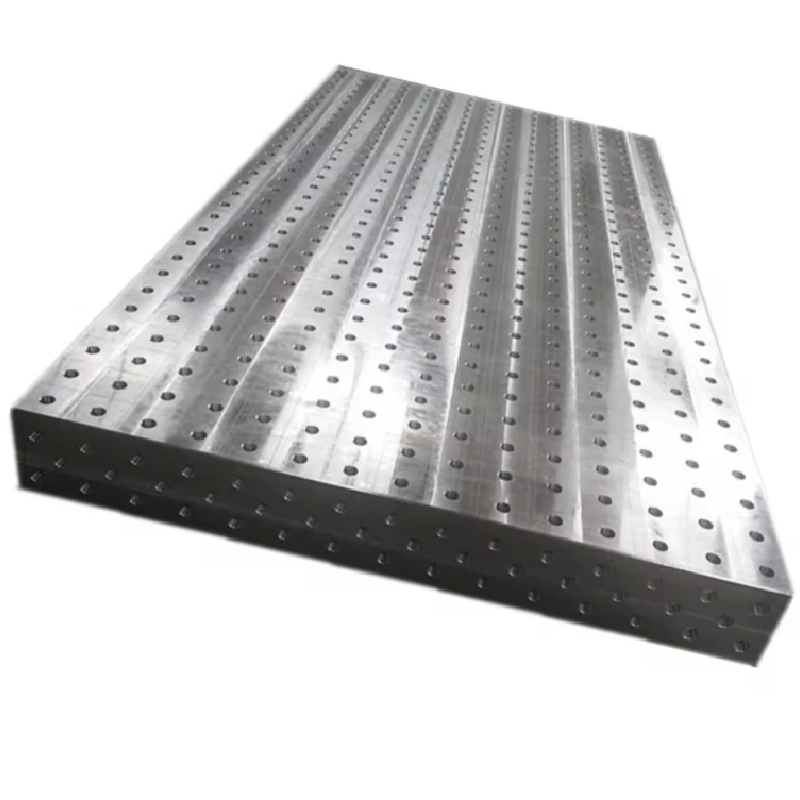
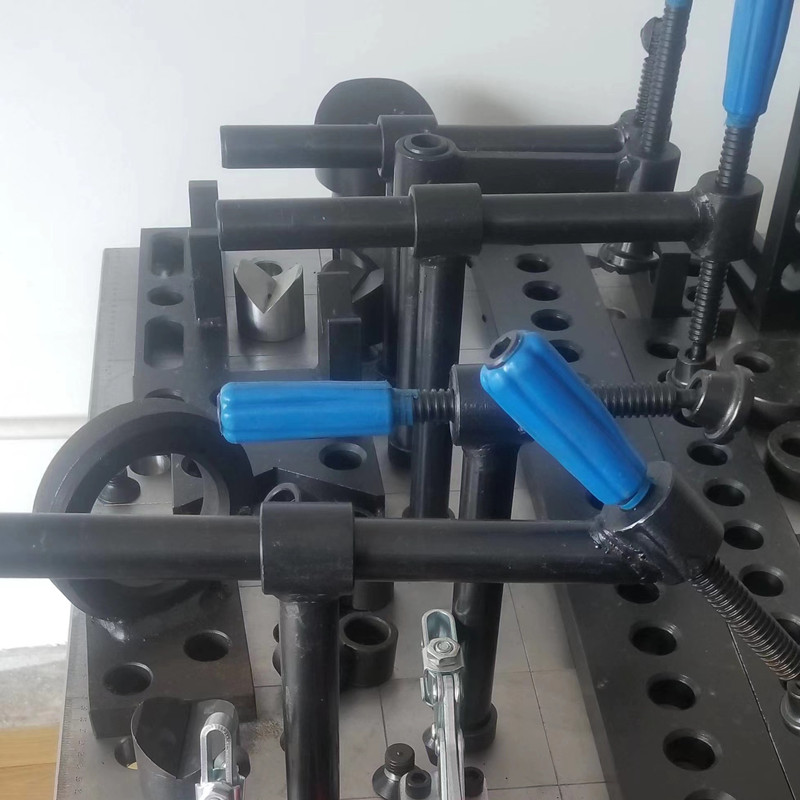
Versatile Clamps for Efficient Fabrication Table Solutions and Secure Workholding
fabrication table clamps .

Wood Fence Post Caps Enhance Your Outdoor Space with Stylish and Durable Options for Fencing
The Importance and Aesthetic Appeal of Wood Fence Post Caps Fencing has long been an essential compo
 English